
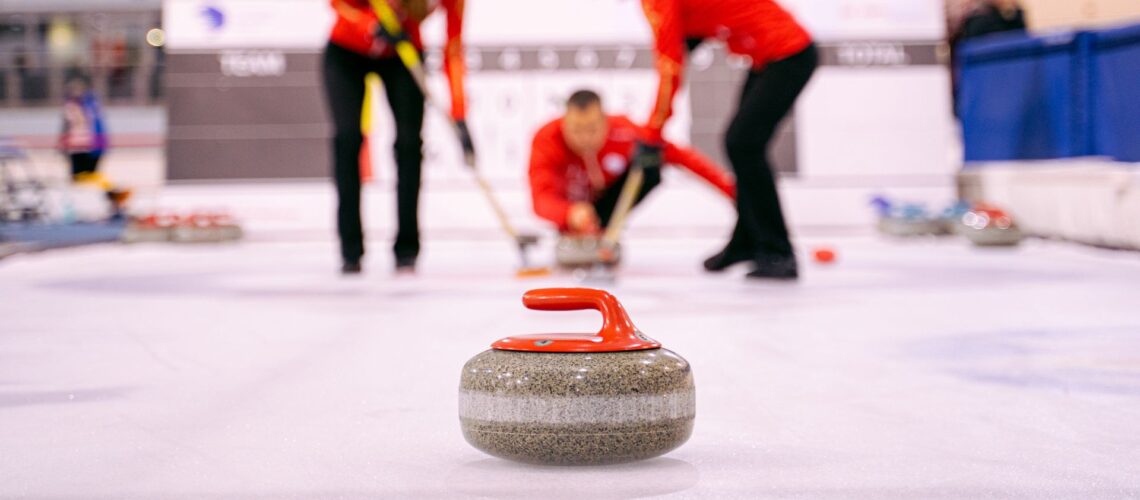
Watching Team GB at the 2026 Winter Olympics in Milan-Cortina provided a masterclass in team resilience. Matt Weston and Tabitha Stoecker faced a 0.30 second deficit in the mixed team skeleton final run. They closed the gap and won gold. Charlotte Bankes and Huw Nightingale both struggled in individual events, then bounced back together to win Britain’s first-ever gold medal on snow. Bruce Mouat’s curling team overcame a three-game losing streak to reach the finals.
These weren’t isolated individual performances. They were collective achievements built on team resilience: the capacity to support each other through setbacks, maintain focus under pressure, and convert setbacks into focused performance. These Olympic moments weren’t just sporting highlights. They were case studies in how resilient teams operate under pressure.
Technical teams face similar challenges in different arenas. When clinical trials encounter unexpected results, when product launches reveal critical issues, when regulatory requirements shift mid-project, team resilience determines whether groups fragment under stress or respond with clarity, cohesion and sustained performance.
Understanding Team Resilience Beyond Individual Strength
Team resilience differs fundamentally from individual resilience. Personal resilience involves individual mindset, stress management and adaptability. Team resilience encompasses the collective capacity to absorb setbacks, maintain cohesion under pressure, and emerge stronger from challenges.
Team GB’s performance illustrated this distinction. Individual athletes possessed exceptional skills and personal resilience. However, their collective achievement exceeded what any individual could accomplish alone. The three gold medals represented Britain’s best Winter Olympics performance in history, finishing 15th overall and surpassing UK Sport’s expectations.
CIPD research on team effectiveness demonstrates that resilient teams share specific characteristics: psychological safety that enables acknowledging difficulties without fear of blame, shared commitment to collective goals, and established patterns of mutual support that activate during pressure.1
Technical teams in regulated sectors operate in environments demanding similar resilience. Regulatory pressures, complex stakeholder requirements, and rapid technological change create ongoing challenges. Teams lacking resilience respond to setbacks with blame allocation and reduced collaboration. Resilient teams use the same challenges to strengthen capability.
The distinction matters practically. Organisations cannot build team resilience simply by developing individual team members. Whilst individual development contributes value, team resilience requires deliberate attention to collective dynamics and relational patterns that determine how groups respond to adversity together.
The Four Foundations of Team Resilience
Team GB’s Olympic journey revealed four interconnected foundations that enable teams to bounce back from setbacks and perform under pressure.
Shared Purpose That Transcends Individual Goals
When Matt Weston won his second gold medal, becoming the first British athlete ever to claim two Winter Olympic golds at a single competition, his immediate response focused on team achievement rather than personal accomplishment. This orientation toward collective success characterises resilient teams.
Technical teams benefit from similar clarity about shared purpose. When research teams understand how their work contributes to patient outcomes, when IT teams recognise their role in enabling business-critical processes, collective purpose provides the foundation for resilience.
Leaders build this foundation by consistently connecting daily work to broader organisational mission. This understanding sustains motivation when projects encounter obstacles or when results don’t materialise as expected.
Psychological Safety to Acknowledge Difficulty
Charlotte Bankes and Huw Nightingale’s journey to gold began with disappointing individual performances. The team environment enabled acknowledging setbacks honestly whilst maintaining belief in collective capability.
Psychological safety proves essential for team resilience. Teams lacking this safety respond to challenges by concealing difficulties and avoiding difficult conversations. Resilient teams discuss setbacks openly, request support when needed, and collaborate to find solutions.
Leaders cultivate psychological safety by modelling vulnerability, responding constructively to setbacks, and treating mistakes as learning opportunities. When team members observe leaders acknowledging struggles, they develop confidence that similar honesty won’t result in negative consequences.
Collective Learning From Setbacks
Bruce Mouat’s curling team bounced back from a three-game losing streak to reach the Olympic finals. This recovery required analysing what wasn’t working, adjusting their approach, and maintaining belief whilst implementing changes.
Resilient teams treat setbacks as data rather than verdicts. When projects encounter obstacles, these teams examine what the difficulty reveals, what adjustments might prove effective, and how the experience strengthens future capability.
Technical teams can implement this through structured reflection practices. After significant setbacks, dedicating time to examine what happened, what the team learned, and how to apply these insights strengthens resilience whilst improving performance.
Patterns of Mutual Support Under Pressure
Team GB’s success reflected years of athletes supporting each other through training and competition. Andrew Musgrave and Dave Ryder, competing at their fifth Olympics, provided invaluable experience to younger teammates. This intergenerational support strengthened the entire team’s resilience.
Resilient teams develop established patterns of mutual support that activate automatically during pressure. Team members understand who to approach for specific assistance, how to request support effectively, and when to offer help proactively.
Technical teams benefit from deliberately building these patterns during lower-pressure periods. When pressure increases, established patterns provide the foundation for collective resilience.
Practical Strategies to Building Team Resilience
Understanding foundations provides valuable insight. Translating this into practical capability requires deliberate development strategies.
Establish Clear Communication Norms for Difficulty
Resilient teams develop explicit agreements about how to communicate during challenges. These norms include expectations for flagging issues early, protocols for requesting assistance, and shared language for discussing setbacks without blame.
Dedicate team time to discussing communication preferences during difficulty. Questions to explore include how team members prefer to be approached when struggling, what early warning signs indicate someone needs support, and how the team distinguishes between productive challenge and overwhelming pressure.
Create Structured Opportunities for Collective Learning
Rather than leaving learning from setbacks to chance, resilient teams implement structured reflection practices. After significant projects or challenges, teams dedicate time to examining what worked, what didn’t, and what insights strengthen future performance.
These sessions prove most valuable when focused on collective learning rather than individual performance evaluation. Questions should explore team dynamics, decision-making processes, and patterns that either supported or undermined resilience.2
Technical teams often resist dedicating time to reflection, viewing it as less productive than immediate task focus. However, the investment in structured learning significantly enhances future performance.
Build Diverse Skill Foundations Across the Team
Team GB’s success reflected diversity of expertise across different winter sports disciplines. Collective capability emerged from diverse individual strengths operating together.
Similarly, resilient technical teams develop breadth of capability across members. When knowledge concentrates in single individuals, teams become fragile. Resilient teams distribute expertise more broadly.
Leaders strengthen this foundation by encouraging knowledge sharing, rotating responsibilities where appropriate, and creating opportunities for team members to develop capabilities beyond immediate role requirements.
Celebrate Collective Achievements and Recoveries
Team GB’s gold medal moments represented celebrations of collective achievement. Technical teams benefit from similar recognition, particularly when successfully navigating significant challenges or bouncing back from setbacks.
These celebrations needn’t be elaborate. Simple acknowledgement during team meetings of how the group navigated difficulty, specific examples of mutual support, or recognition of collective learning strengthens team resilience by making successful patterns visible and valued.
Frequently Asked Questions About Team Resilience
Team resilience encompasses the collective capacity to navigate challenges together, whilst individual resilience focuses on personal capability to manage stress and adversity. Team resilience includes shared patterns of communication during difficulty, established norms for mutual support, collective learning from setbacks, and psychological safety that enables honest acknowledgement of challenges. Developing individual team members’ personal resilience contributes to overall team capability, but doesn’t automatically create team resilience, which requires deliberate attention to collective dynamics.
Teams can proactively build resilience foundations before encountering major setbacks by establishing clear communication norms, creating psychological safety, implementing reflection practices, and building diverse skill foundations. However, teams genuinely test and strengthen their resilience through experiencing and successfully navigating difficulties together. The combination of proactive development and learning from actual challenges creates the strongest team resilience.
Building team resilience represents an ongoing development process rather than a destination with a fixed timeline. Teams often notice improved dynamics within weeks of implementing practices like structured reflection or clearer communication norms. However, deep team resilience that enables thriving through major organisational change develops over months through consistent application of resilience-building practices. Most teams observe meaningful improvements within three to six months of focused development.
Your Roadmap to Stronger Team Performance
Team GB’s 2026 Winter Olympics performance demonstrated what becomes possible when teams develop genuine resilience. Three gold medals and Britain’s best Winter Games performance in history didn’t result from isolated individual brilliance. These achievements reflected collective capability built through shared purpose, psychological safety, learning from setbacks, and mutual support under pressure.
Technical teams in pharmaceutical, life sciences and technology sectors face different challenges than Olympic athletes, yet require similar resilience. When clinical trials encounter unexpected results, when product launches reveal critical issues, when market conditions shift unexpectedly, team resilience determines outcomes.
Resilient teams convert pressure into improved decision-making, stronger collaboration and more robust outcomes. Shared purpose provides the foundation that sustains motivation when obstacles arise. Psychological safety enables honest acknowledgement of difficulties. Collective learning transforms setbacks into development opportunities. Patterns of mutual support ensure teams don’t face challenges alone.
Building team resilience begins with commitment to deliberate development. Whether starting with establishing clearer communication norms, creating structured reflection practices, or building psychological safety, each step strengthens collective capacity for sustained high performance in demanding technical environments.